
160+ Speaking Engagements – Eric Ward
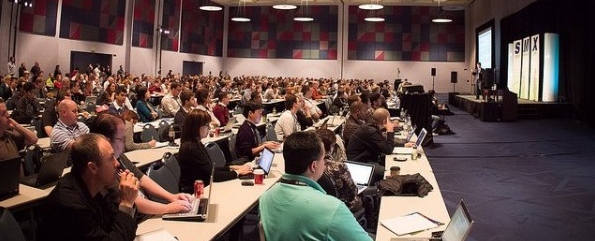
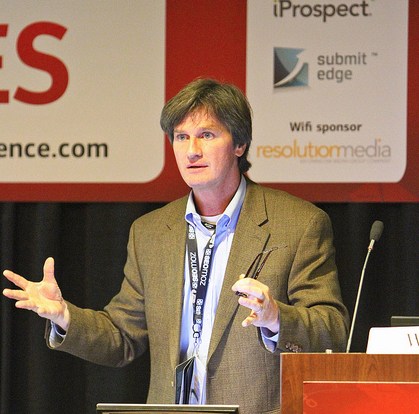
From 1996-2013 I had the pleasure of speaking at 160+ Internet trade shows, symposiums, conferences, summits, pow-wows, festivals, retreats etc. I spoke in the World Trade Center exactly one year before it came down. Some of my old conference session content can still be found. After the birth of our third child I scaled back my traveling and speaking. I’ll get back on the road again someday.
 Conference Name/Link:
SES Chicago
November , 2012
3 Sessions

Conference Name/Link:
SES Chicago
October, 2011
2 Sessions
 Conference Name/Link:
SMX East
October, 2010
2 Sessions
 Conference Name/Link:
SMX East SMX East
October, 2008
2 Sessions
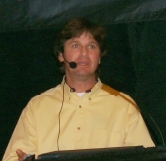
Conference Name/Link: SMX West
Location: San Jose, 2008
Sessions: Multiple

Conference Name/Link: SMX West
Location: San Jose, 2008
Sessions: Multiple

Conference Name: PUBCON Vegas
Location: Las Vegas/Boston
Conference Name/Link: Search Engine Strategies
Location: Chicago – December 3-6, 2007
Sessions: Multiple
Conference Name/Link: DMA07 Conference & Exhibition
Location: Chicago – October 16
Session Presented: Desperately Seeking Links: Baiting, Buying, and Socializing for Link
 Conference Name/Link: AMA hot topic Conference Series
Location: Chicago – November 2, 2007
Session Presented: Search Engine Marketing and Link Building
AMA Hot Topic Series Boston
Session: Search Engine Marketing
Shop.org Annual Summit Las Vegas
Link Building and Social Media
Search Engine Strategies Toronto
White Hat Hot Seat, Linking Campaigns & Beyond
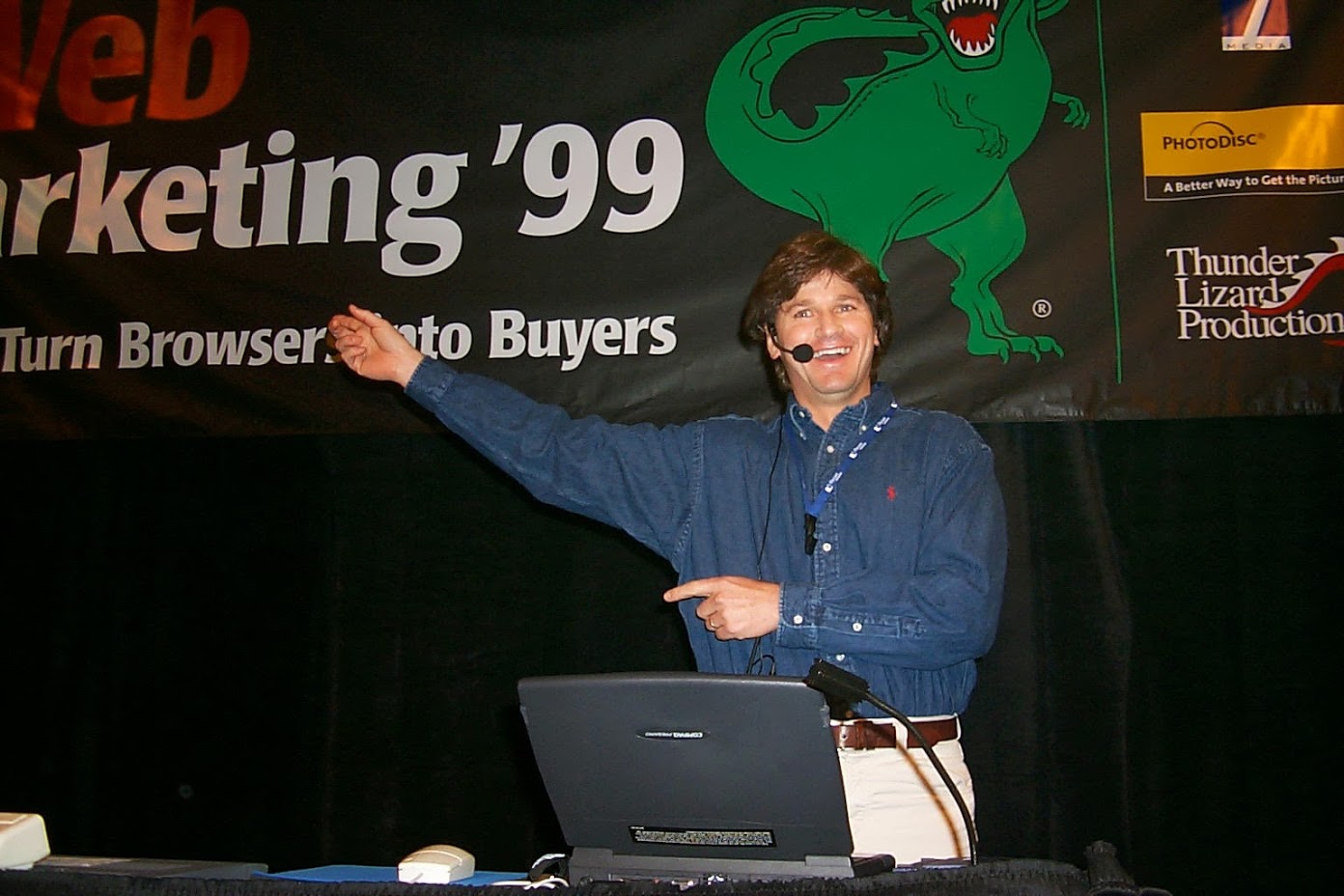
Believe it or not there were web marketing conferences all the way back in 1999. Check out that photo! I maintain a library of most my sessions. If you attended one of those conferences and would like access to one of them, let me know.
Use this Category Navigation List to quickly move through my site
Newsletter
Private Strategy Session
Services
Linking Articles

